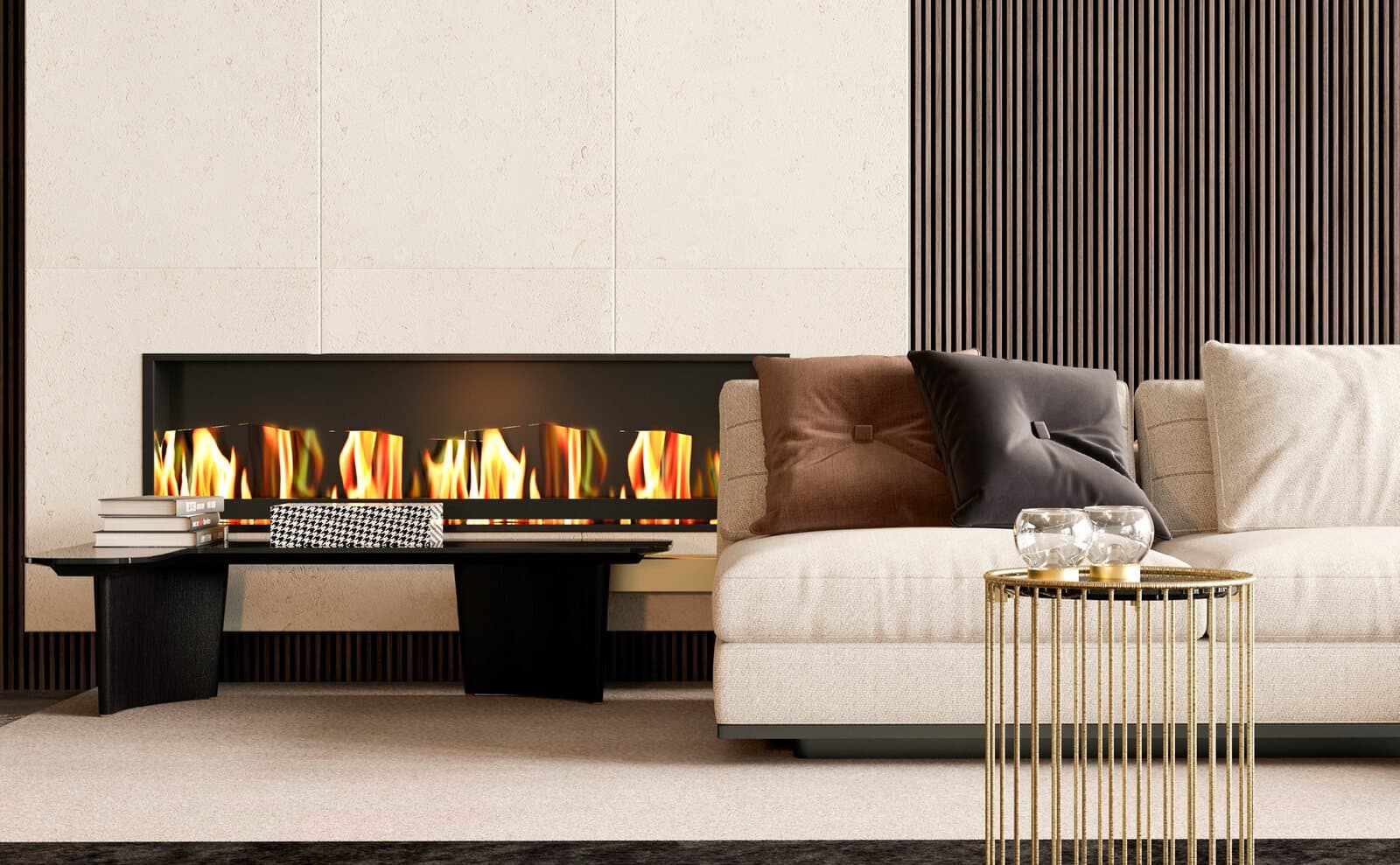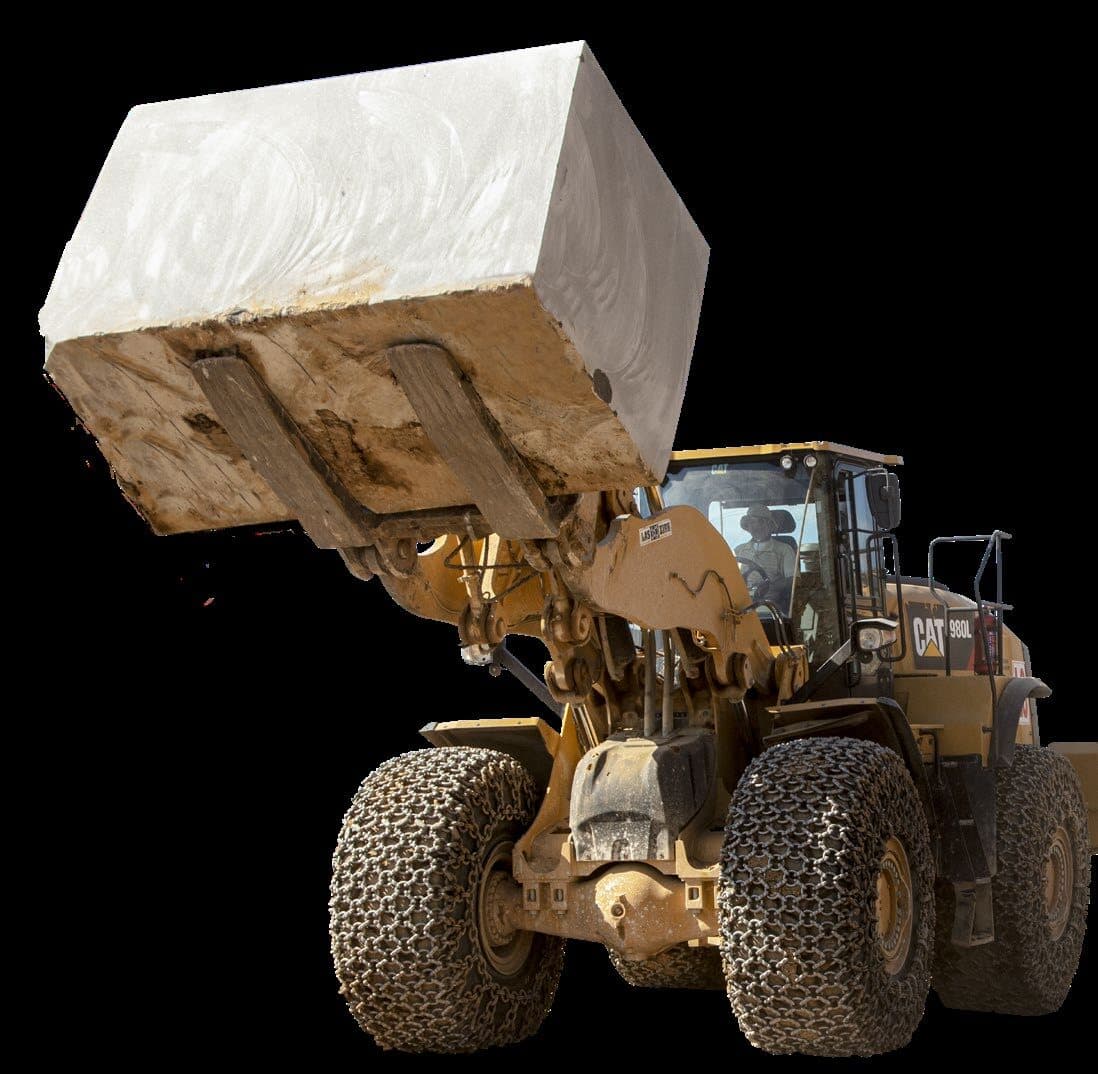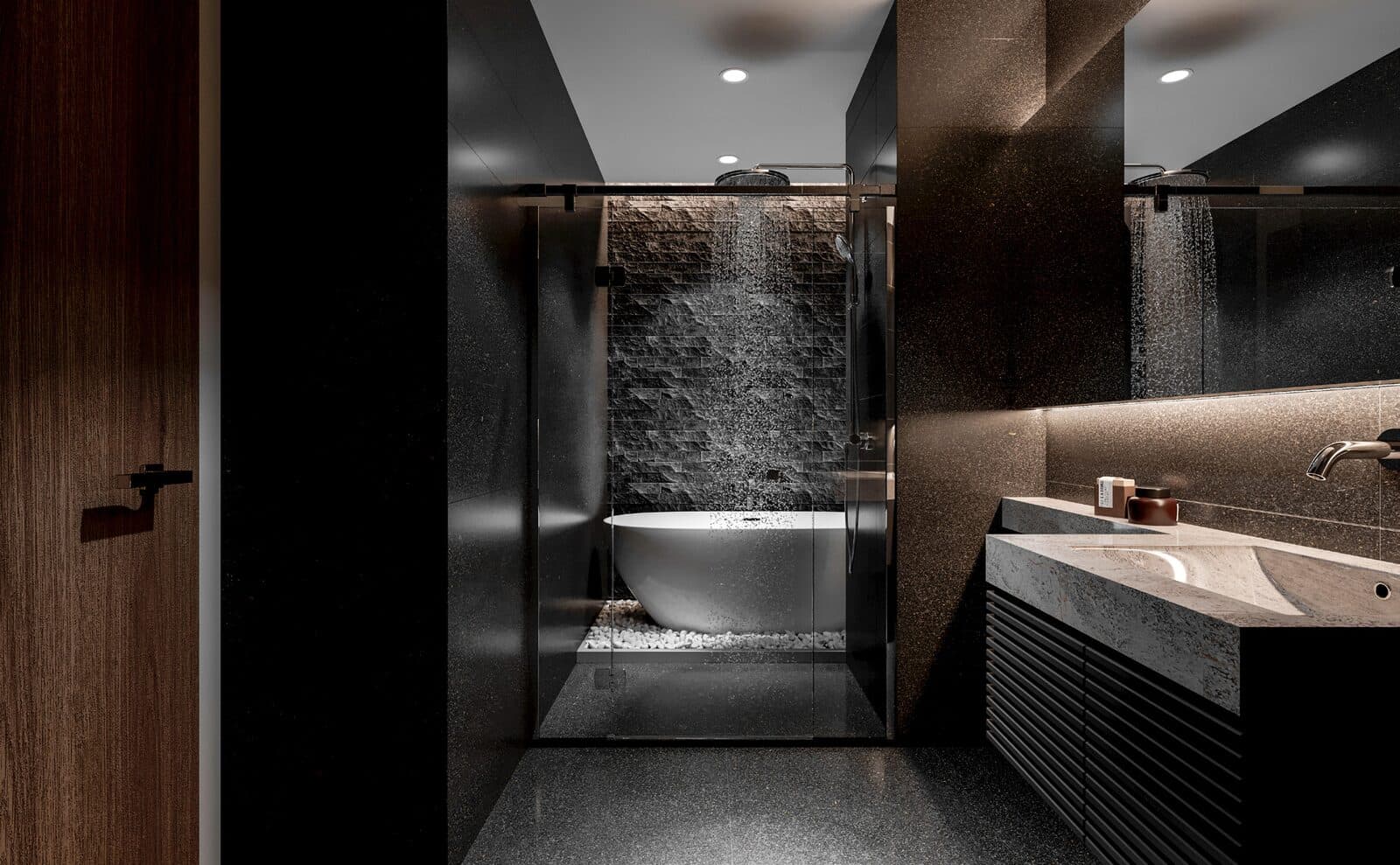
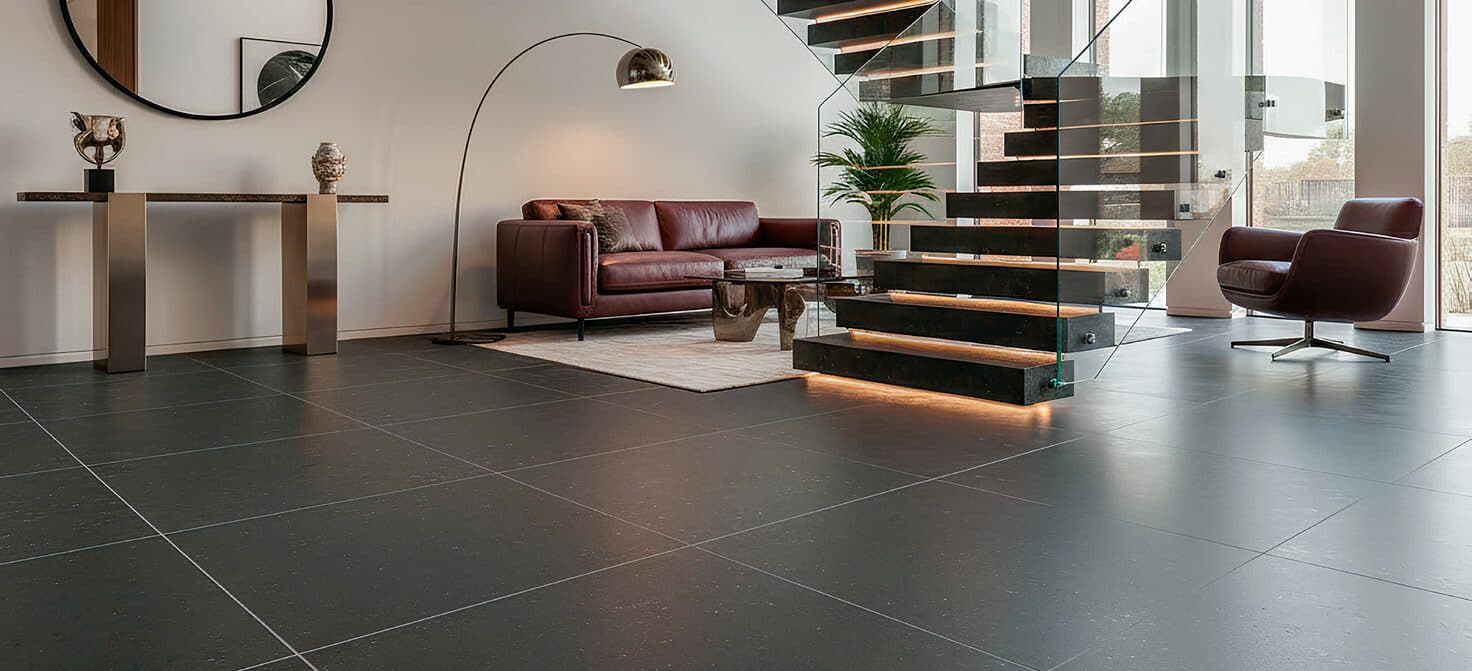
Basalt is a fine-grained volcanic rock formed when lava cools quickly at the earth’s surface. In Türkiye, extensive volcanic activity across Anatolia has produced some of the most consistent, dense and workable basalt deposits in the world — and it is this raw material that Macs Stone exports to importers, distributors and contractors internationally.
For buyers, the appeal is simple: Turkish basalt combines outstanding technical performance with a calm, contemporary appearance and a price position that is difficult to match elsewhere.
The numbers behind the durability
Independent testing to TS EN 1936, recorded on a tested sample, found a real density of 2,734 kg/m³ for our basalt, with an average apparent density of approximately 2,694 kg/m³ and total porosity of around 4.69%. In practical terms, this indicates a dense stone with low water absorption, as reflected in its low porosity figures.
That density is why basalt is specified for public plazas, transport hubs, kerbs and driveways as readily as it is for luxury interiors.
One stone, many finishes
The same block of basalt can be transformed into radically different surfaces depending on how it is finished. Polished, it becomes a deep, near-black mirror; honed, a soft matte charcoal; flamed or bush-hammered, a textured, slip-resistant surface for outdoor use.
This versatility lets architects carry a single material — and a single supplier — from interior floors to exterior façades, stairs, paving and drainage.
Built for export
Because basalt is so hard, it also travels well. Properly crated and loaded, basalt tiles, kerbs and setts arrive in the same condition they left the factory. Combined with Türkiye’s central position between Europe, the Middle East and beyond, this makes Turkish basalt a genuinely global product.
Continue exploring
Sourcing basalt or travertine?
Get pricing, samples and a packing plan from Macs Stone.